Cultural festivals serve as a powerful celebration of traditions, heritage, and community. They offer a unique opportunity for individuals to come together, share their stories, and honor their roots through music, dance, food, and various artistic expressions. Across the globe, these festivals provide insights into the diverse cultures that shape our world, fostering understanding and appreciation among different communities. This article delves into the essence of cultural festivals, their significance, and some notable examples that showcase the rich tapestry of global traditions.
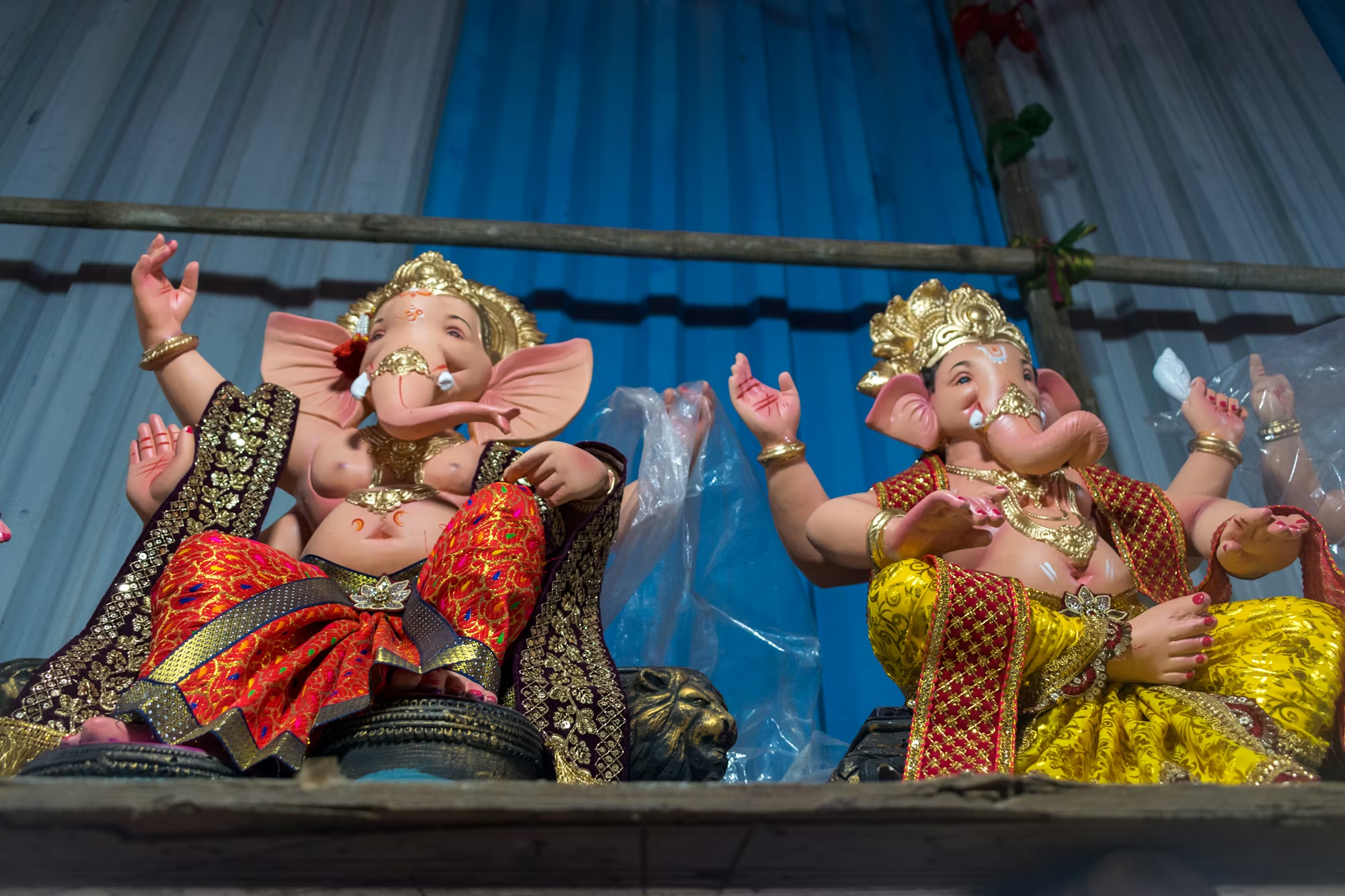
At the heart of many cultural festivals lies a celebration of historical events or significant milestones in a community’s history. One such festival is Diwali, the Festival of Lights celebrated predominantly in India and by Indian communities worldwide. Diwali symbolizes the victory of light over darkness and good over evil. During this vibrant festival, families illuminate their homes with oil lamps and colorful decorations, partake in festive meals, and share sweets with loved ones. The atmosphere is filled with joy, as fireworks light up the sky, and cultural performances bring people together. Diwali serves not only as a time for celebration but also as a reminder of the importance of family, community, and shared values.
Another fascinating cultural festival is Chinese New Year, known as Spring Festival, which marks the beginning of the lunar calendar. Celebrated by millions around the world, this festival is characterized by family reunions, feasting, and various traditional practices aimed at attracting good fortune for the year ahead. From lion dances to fireworks, the vibrant activities encapsulate the spirit of renewal and hope. Each year, families prepare special dishes, engage in the ritual of giving red envelopes, and participate in community events that strengthen bonds and foster a sense of belonging. Chinese New Year is a beautiful reminder of the significance of cultural heritage and its role in shaping community identity.
In Europe, Oktoberfest stands as a symbol of Bavarian culture and tradition. Originating in Munich, this festival celebrates the region’s rich brewing history and showcases the best of German beer, cuisine, and folk music. Each year, millions of visitors flock to the festival grounds to partake in the lively atmosphere filled with laughter, music, and camaraderie. Oktoberfest not only highlights the culinary delights of the region but also serves as a gathering place for people to celebrate their shared love for culture, fostering connections across different backgrounds. The festival embodies the spirit of togetherness and the joy of communal celebration.
In Latin America, the Day of the Dead (Día de los Muertos) is a poignant yet vibrant festival that honors deceased loved ones. Celebrated primarily in Mexico, this festival blends indigenous traditions with Spanish influences, creating a unique cultural tapestry. Families create altars adorned with photos, flowers, and favorite foods of their departed relatives, inviting them to join in the celebration. The festival features colorful parades, music, and traditional dances, turning mourning into a joyful remembrance of life. The Day of the Dead exemplifies how cultural festivals can bridge the gap between the living and the dead, fostering a sense of continuity and connection with one’s heritage.
Asia also hosts a variety of cultural festivals that showcase its diverse traditions. The Harbin International Ice and Snow Sculpture Festival in China is a stunning display of artistry and creativity. Every winter, the city transforms into a wonderland of ice sculptures, with intricate designs and breathtaking installations that draw visitors from around the world. The festival highlights the skill of artists and the cultural significance of winter festivities in the region. Attendees can enjoy activities such as ice skating, sledding, and exploring the dazzling light displays that create a magical atmosphere. The Harbin Festival emphasizes the importance of creativity and community spirit, bringing people together in a celebration of winter’s beauty.
In addition to their entertainment value, cultural festivals play a crucial role in preserving traditions and educating younger generations. They serve as platforms for passing down knowledge, rituals, and customs that might otherwise fade over time. For instance, the Edinburgh Festival Fringe in Scotland showcases a wide array of artistic performances, including theater, music, and dance, while celebrating Scottish culture. This festival not only provides a space for artists to express themselves but also fosters a sense of pride in cultural heritage. By promoting local talent and encouraging creativity, festivals like the Edinburgh Fringe contribute to the ongoing narrative of cultural identity.
Moreover, many cultural festivals are deeply rooted in religious practices, serving as a means of spiritual expression and communal worship. For example, the Ramadan festivities culminate in Eid al-Fitr, a festival celebrated by Muslims worldwide. This festival marks the end of fasting and is characterized by communal prayers, feasting, and acts of charity. Families come together to share meals, visit friends, and participate in community events, reinforcing the values of compassion and generosity. Eid al-Fitr serves as a reminder of the importance of faith and community, encouraging people to come together in celebration and gratitude.
As we explore the significance of cultural festivals, it is important to recognize their impact on tourism and local economies. Festivals attract visitors from near and far, boosting local businesses and creating opportunities for artisans and vendors. For instance, the Rio Carnival in Brazil not only showcases the vibrant samba culture but also significantly contributes to the local economy through tourism. The festival’s colorful parades, music, and dance create an atmosphere of excitement and joy, drawing millions of participants. Such events highlight the economic potential of cultural festivals, showcasing how they can benefit communities while promoting cultural exchange.
In recent years, the rise of digital media has transformed the way festivals are experienced and shared. Many festivals now have a strong online presence, allowing people to participate virtually and engage with cultural events from around the world. Social media platforms serve as powerful tools for promoting cultural awareness and connecting people with similar interests. Virtual events have made it possible for individuals to experience cultural festivals regardless of their geographical location, breaking down barriers and fostering global connections. This evolution emphasizes the importance of adaptability in preserving cultural traditions while embracing modernity.
In conclusion, cultural festivals are a celebration of heritage, community, and shared values. They provide a platform for individuals to connect with their roots, honor traditions, and foster understanding among diverse groups. From Diwali to Oktoberfest, these festivals exemplify the beauty of cultural diversity and the importance of preserving traditions for future generations. As we participate in these vibrant celebrations, we strengthen the bonds that unite us and create lasting memories that transcend time and place.